
Why Tantra isn’t just about Sex
Tantric massage is often mistaken for something purely sexual, but the real experience is much richer. It is about slowing down, breathing properly, trusting the moment and discovering how much the body can feel when the mind finally stops rushing.

Mention Tantra at a dinner party and watch people suddenly become very interested in their wine glass. For many people, the word still sounds mysterious, naughty or slightly dangerous.
But Tantra is not just about sex. In fact, if you only think of Tantra as bedroom tricks, you are missing the best part.
At its heart, Tantra is about presence. It is about being fully in the body instead of living only in your head. It teaches you to breathe, slow down and pay attention to sensation without rushing toward a finish line.
That is why tantric massage can be such a powerful experience. It is sensual, yes, but it is also calm, respectful and deeply grounding.
The Body as a Sacred Temple
A fundamental principle of Tantra is the belief that there is only one temple in the universe, and that is the human body. Rather than viewing the flesh as a distraction from the spirit, Tantra celebrates the body as an earthly temple for the soul that deserves deep reverence. Sensual massage, in this context, is considered “spiritual food”—a sacred ceremony that enables you to discover the wonder of life in each breath.
Sexual Energy as Spiritual Firewood
Tantra recognizes sexual energy as a powerful force that can be harnessed for healing the body and accessing higher states of consciousness. Instead of seeing sex as a distraction from religious life, it is viewed as a major opportunity to cultivate spirituality when approached as a meditative yogic practice. In this “sexual yoga,” sexual energy is used as “firewood” to spiritually transform you, concentrating and heightening energy through union to strike a connection with the cosmic whole.
The Ritual of Shiva and Shakti
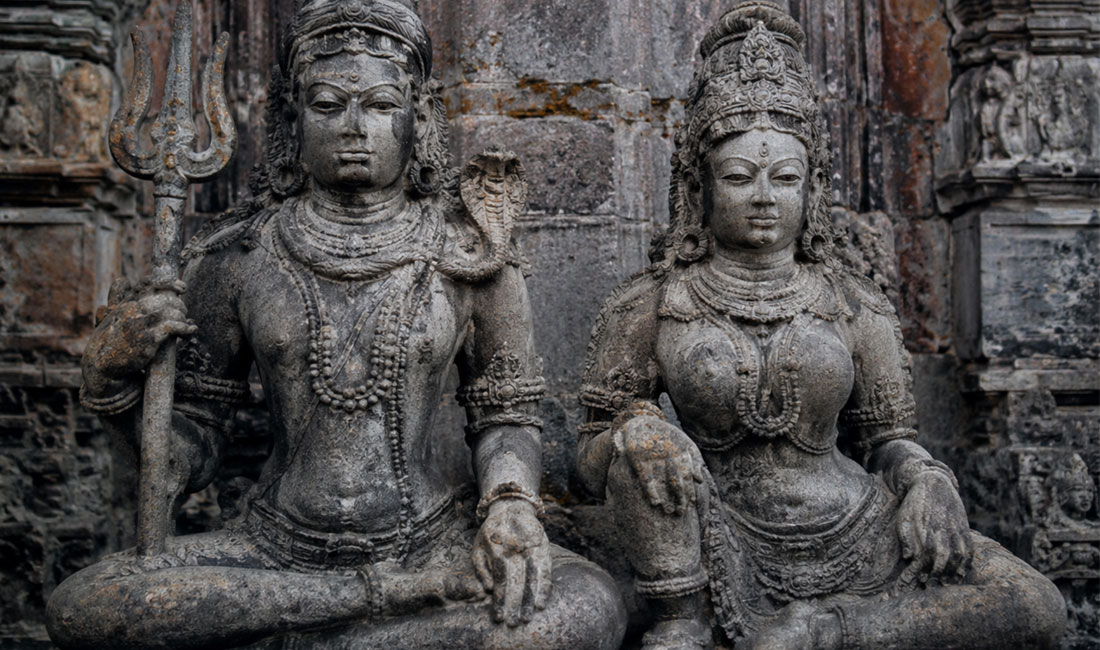
Shiva and Shakti
Tantric rituals often involve the merging of masculine and feminine principles, referred to as Shiva and Shakti. Tantra recognizes that everyone contains elements of both; when these forces are brought together through touch, they result in a potent explosion of energy. Practices often begin and end with the “Namaste” ritual, which means “I honor the Divine within you”. This honors the divine spark in each partner, transforming a simple massage into a devotional act.
From “Doing” to “Being”
Perhaps the most transformative aspect of Tantra is the shift from “doing” (goal-oriented achieving) to “being” (presence-oriented observation). It teaches partners to ride the waves of desire rather than rushing toward a goal like orgasm or ejaculation. By ridding the mind of internal chatter and the need to perform, you enter an erotic trance—a timeless suspension of ordinary life that connects you to something larger than yourself.

Awakening the Bio-Electrical System
Tantra often describes the body as an energetic system. In this view, energy moves through subtle pathways and gathers around centres known as chakras. These energy centres are believed to influence our emotions, physical sensations and sense of inner balance.
Whether understood spiritually, symbolically or simply as a way of focusing attention, chakra-based practices can help people become more aware of their bodies. A gentle touch on the heart area may bring emotional softness. Breath focused in the lower abdomen may create grounding. Attention around the throat may support expression and release.
A Tantric massage may use these ideas to encourage relaxation, energy flow and a deeper sense of wholeness. The goal is not to force an experience, but to create the right conditions for awareness, openness and inner calm.
Ultimately, Tantra isn’t just about sex; it is about claiming your ecstatic nature and recognizing the inherent perfection and beauty of the world through the power of sensation. By focusing on the present moment through breath and touch, we learn what it truly means to be alive.
What to Expect the First Time
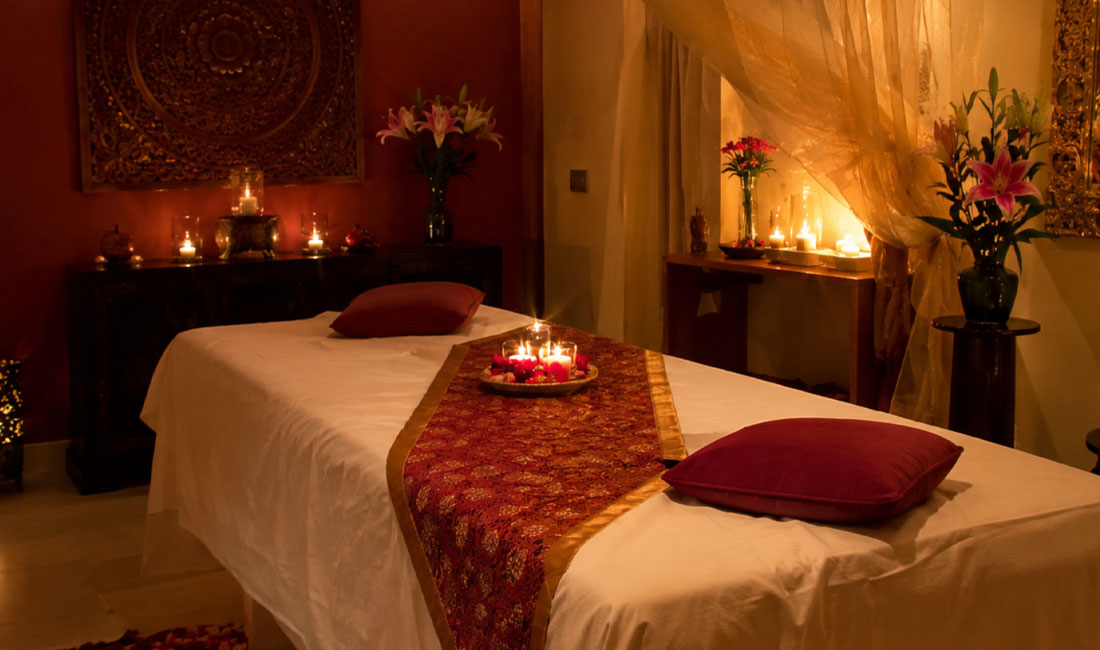
a tantric massage studio
For someone new to tantric massage, it is normal to feel curious, nervous or unsure. A professional session should begin gently, with a short conversation and time to settle into the space.
The massage itself usually moves slowly. The practitioner may encourage deeper breathing and invite the client to relax into each sensation. Touch may include long, flowing movements, warm oil and attention to the whole body. The pace is usually unhurried, allowing the receiver to become more aware of subtle feelings rather than waiting for one specific outcome.
It is helpful to arrive with an open mind, but also with clear personal boundaries. Avoid going into the session with unrealistic expectations. Tantric massage is not the same for every person. For some, it is deeply sensual. For others, it is meditative, emotional or simply calming.
Practical preparation can also help. Choose a reputable practitioner or studio, read the information carefully, ask questions beforehand if needed and give yourself time afterwards rather than rushing straight back into a busy schedule.
A Thoughtful Way to Reconnect
Tantric massage is often misunderstood because people focus only on its erotic surface. Yes it is erotic, and it can be much more than that. It can be a way to return to the body, to breathe more fully, to experience touch without pressure and to remember that sensuality can be gentle, intelligent and healing.
Tantra is not about escaping ordinary life. It is about entering it more deeply. Through breath, presence and conscious touch, we are reminded that the body is not just something we live in. It is something we can listen to, honour and understand.
For those who are curious, tantric massage offers a quiet invitation: slow down, feel more, and meet yourself with greater kindness.
About Author: Divya is a tantra coach and sensual therapist from Scarlet Tantric with a personal interest in sensual wellness, body awareness and the tantra power.

